
The Mindset of Successful Gamblers
The foundation of successful gambling lies significantly in the right mindset. Successful gamblers often approach the casino not just as a place to win money but as an entertainment experience that can include platforms like 1win , which offers various games and promotions. This perspective allows them to manage their expectations and focus on enjoyment rather than solely on outcomes. Maintaining a positive attitude helps them stay resilient during losing streaks, while a focus on entertainment keeps them engaged and less impulsive in their betting behavior.
Moreover, discipline is a key component of the mindset that sets successful gamblers apart. They develop strict budgets, stick to their limits, and avoid chasing losses. By adhering to a pre-defined plan, they can walk away when necessary without falling victim to the emotional rollercoaster that gambling can provide. This level of self-control is a crucial skill, enabling them to make rational decisions based on strategy rather than emotional impulses.
Furthermore, successful gamblers understand the importance of continuous learning and adaptation. They study various games, familiarize themselves with odds, and learn strategies that can give them an advantage. This commitment to education not only enhances their gameplay but also builds confidence, allowing them to make informed decisions that can lead to long-term success.
Bankroll Management Techniques
One of the most critical aspects of successful gambling is effective bankroll management. Gamblers who excel understand the importance of setting aside a specific amount of money exclusively for gaming purposes. This practice prevents them from dipping into essential funds needed for other expenses while also setting clear boundaries on how much they can afford to lose. By allocating a budget for gambling, they can enjoy the experience without financial stress.
Successful gamblers often implement a staking plan that aligns with their overall strategy. This involves determining the size of each bet based on their total bankroll and the specific game being played. For example, they might opt to wager a small percentage of their bankroll on each game, which allows for multiple plays without risking large portions of their funds. This strategy not only minimizes potential losses but also prolongs their playtime and enjoyment.

Additionally, knowing when to walk away is an integral part of effective bankroll management. Successful gamblers have a clear threshold for both wins and losses, allowing them to exit the game at the right moment. This discipline helps them preserve winnings and prevents them from falling into the trap of trying to recoup losses, which can lead to greater financial issues. A well-thought-out approach to bankroll management lays the groundwork for sustainable gambling practices.
Game Selection and Strategy
The selection of games and the strategies employed are pivotal elements in the arsenal of successful gamblers. Understanding the odds and house edge associated with different games allows these players to make informed choices about where to place their bets. They tend to gravitate toward games that offer better odds for the player, such as blackjack or certain video poker variants, which can significantly enhance their chances of winning over time.
Moreover, successful gamblers often dedicate significant time to mastering the strategies associated with their chosen games. Whether it’s learning optimal play for blackjack or memorizing poker hands, this dedication leads to improved performance at the tables. They often practice their skills in low-stakes environments before moving on to higher stakes, allowing them to refine their techniques without risking substantial amounts of money.
In addition, successful gamblers adapt their strategies based on the dynamics of the game and their opponents. For instance, in poker, they learn to read the table and adjust their playstyle according to the tendencies of other players. This adaptability not only increases their chance of winning but also enhances their overall gambling experience, making it more engaging and rewarding. By combining smart game selection with effective strategies, these gamblers can maximize their potential for success.
The Role of Luck vs. Skill
The debate about luck versus skill remains a contentious topic among gamblers. Successful gamblers recognize that while luck plays a significant role in short-term outcomes, skill and strategy are critical for long-term success. They understand that gambling is inherently unpredictable, and despite having the best strategies in place, fluctuations in luck can influence results. This awareness helps them remain grounded and balanced in their approach.
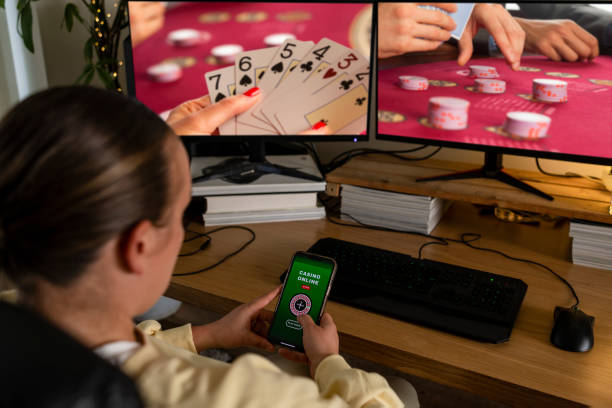
While some games are predominantly luck-based, such as slot machines, others involve considerable skill, such as poker or blackjack. Successful gamblers gravitate towards these skill-based games, where they can leverage their knowledge and experience to gain an advantage over less-informed players. By honing their skills and constantly improving their game, they position themselves to capitalize on opportunities that arise during play.
Ultimately, successful gamblers embrace both aspects—luck and skill—as integral parts of the gambling experience. They celebrate wins as a product of favorable circumstances while also acknowledging their own contributions to success through informed decision-making. This balanced perspective fosters resilience, helping them cope with losses and maintain focus on the journey rather than just the destination of winning.
Building a Responsible Gambling Culture
The essence of responsible gambling is a significant theme among successful gamblers. Acknowledging that gambling can lead to addiction and financial hardships, they promote a culture of safety and awareness. This includes not only self-regulation but also supporting others in recognizing the signs of problematic behavior. They advocate for setting limits and educating themselves and their peers about the risks associated with gambling.
Many successful gamblers engage with organizations that promote responsible gaming practices. They encourage initiatives that offer support for those at risk of addiction and participate in community discussions on gambling-related issues. This commitment to social responsibility helps to change the stigma surrounding gambling and highlights the importance of having a healthy relationship with gaming.
Furthermore, successful gamblers share their experiences and knowledge with novices, helping to foster an environment where informed choices are celebrated. By setting an example of moderation and responsible play, they contribute to a positive perception of gambling as an entertainment option rather than a financial escape. This attitude ensures that the thrill of the game remains enjoyable and sustainable, benefiting everyone involved.