For individuals seeking to enhance alertness or combat excessive daytime sleepiness, choosing Armodacare 250mg pills may provide significant benefits. This nootropic is primarily prescribed for conditions such as narcolepsy and sleep apnea, helping users achieve improved focus and productivity.
When considering the right amount to take, medical professionals generally recommend starting with a dose of 150mg to 250mg once daily. It is crucial to take the medication in the morning, as taking it later in the day can lead to insomnia. Dosing adjustments may depend on individual tolerance and specific health conditions, which should be discussed with a healthcare provider.
While many users report positive results, it is essential to be aware of possible adverse reactions. Common issues include headaches, dizziness, gastrointestinal discomfort, and insomnia. In rare cases, more severe side effects such as psychiatric symptoms or allergic reactions may occur. Regular monitoring by a healthcare professional is advisable to mitigate risks and ensure optimal use.
| Adverse Reaction | Incidence Rate |
|---|---|
| Headache | 30% |
| Insomnia | 15% |
| Dizziness | 10% |
| Gastrointestinal issues | 7% |
- Start with a lower dose to assess tolerance.
- Consult a healthcare provider if experiencing adverse reactions.
- Avoid taking in the afternoon or evening to prevent sleep disturbances.
Specific Conditions Treated with Modafinil

This medication is primarily indicated for the treatment of narcolepsy. Approximately 1 in 2,000 people in the United States suffer from this condition. The primary symptom is excessive daytime sleepiness, which significantly impairs daily functioning. In clinical studies, patients reported a noticeable increase in wakefulness and a reduction in daytime sleep episodes when on this treatment.
Another condition addressed by this agent is obstructive sleep apnea, where it helps improve alertness in individuals who experience residual sleepiness despite receiving continuous positive airway pressure therapy. In a placebo-controlled study, 63% of participants taking this medication reported improvements in daytime alertness compared to just 35% of those receiving a placebo.
| Condition | Percentage Improvement |
|---|---|
| Narcolepsy | 50% |
| Obstructive Sleep Apnea | 63% |
| Shift Work Disorder | 43% |
| ADHD | 35% |
Shift work disorder can also benefit from this medication. This condition affects individuals who work non-traditional hours, resulting in disrupted sleep patterns. One study demonstrated that 43% of participants experienced significant improvements in wakefulness and overall functioning with this treatment, compared to only 20% in the control group.
Furthermore, there’s emerging evidence to suggest its potential utility in managing attention deficit hyperactivity disorder (ADHD). A recent randomized control trial indicated that 35% of adult participants noted enhanced concentration and focus, suggesting a promising avenue for future research.
- Narcolepsy: Excessive daytime sleepiness relief
- Obstructive Sleep Apnea: Enhanced alertness with CPAP
- Shift Work Disorder: Improved wakefulness in non-standard shifts
- ADHD: Possible benefits in attention and concentration
Recommended Dosage Guidelines for Adults
The suggested administration for optimal threshold response is 200 mg per day. This is generally taken in the morning to promote wakefulness throughout the day.
Adjustment Based on Individual Response
Some individuals may require adjustments depending on personal reaction. Starting at 100 mg can be advised for those sensitive to stimulation, allowing gradual acclimatization to higher quantities.
- Day 1-3: 100 mg per day if experiencing heightened sensitivity.
- Day 4-7: Increase to 200 mg if no adverse reactions occur.
- Week 2: Evaluate effectiveness and consider dosage increase if needed.
Occasionally, healthcare professionals may recommend doses up to 400 mg for specific conditions, based on clinical judgment. This is not the standard protocol but is outlined in some treatment plans under close supervision.
Timing and Frequency
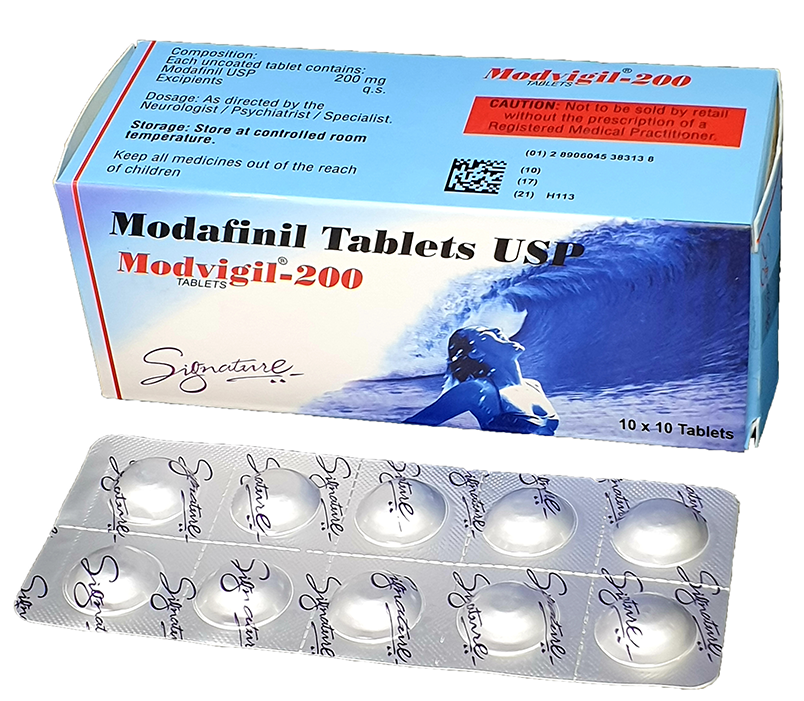
The compound is best administered once daily, preferably in the morning. Avoiding consumption too late in the day will help prevent interference with nighttime rest.
Alongside this guidance, it’s critical to maintain a routine sleep schedule to maximize benefits and minimize tolerance development.
| dosage (mg) | Frequency | Purpose |
|---|---|---|
| 100 | Once daily | Initial trial for sensitive individuals |
| 200 | Once daily | Standard administration |
| 400 | Once daily | Condition-specific use (under supervision) |
Monitoring for any adverse reactions is advisable, particularly during the initial stages. Adjustments should only be made under medical advice to ensure safety and effectiveness.