
Understanding Responsible Gambling
Responsible gambling refers to the practice of gambling in a way that is controlled and does not lead to negative consequences for individuals or their families. It involves understanding the risks associated with gambling and recognizing when to stop. By adopting responsible gambling habits, players can enjoy their gaming experience without crossing the line into unhealthy behavior, especially when they explore options like royal reels that emphasize player safety and well-being. Education and awareness are essential components of responsible gambling, helping players make informed choices and avoid potential pitfalls.
One fundamental aspect of responsible gambling is setting limits. Players should determine in advance how much time and money they are willing to spend at the casino. By establishing these boundaries before engaging in gambling, individuals can ensure that they do not exceed their means or lose track of time. Furthermore, these limits should be adhered to strictly, as they serve as a safeguard against impulsive decisions that could lead to financial strain.
Another crucial element is the ability to recognize problem gambling. Players must be aware of the symptoms and signs that indicate they or someone close to them may be struggling. This can include chasing losses, neglecting responsibilities, or experiencing significant emotional distress related to gambling. Seeking help from professionals or organizations that specialize in gambling addiction is essential for those who feel their gambling habits have become problematic.
Setting Financial Limits
Setting financial limits is perhaps one of the most practical steps you can take toward responsible gambling. Before entering a casino, decide on a budget that you are comfortable with and stick to it strictly. This budget should be an amount that you can afford to lose without affecting your daily life or financial obligations. By understanding your limits, you can enjoy the thrill of gambling while minimizing the risk of severe financial implications.
In addition to establishing a budget, it is also wise to keep track of your gambling expenditures. Some players find it helpful to use a gambling diary where they note how much they spent, won, and lost during each visit. This record can be an eye-opener and may help individuals identify patterns in their gambling behavior. Understanding how much money is being spent can lead to better control and discipline, ensuring that the gambling experience remains enjoyable.
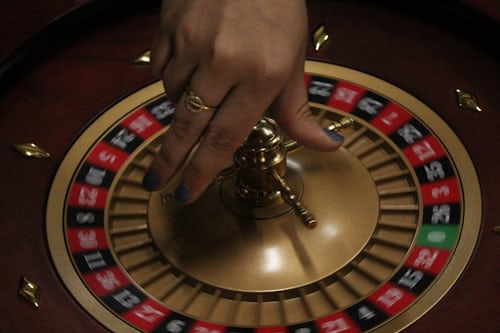
Moreover, consider utilizing the cash-only method. This approach restricts access to additional funds, as players can only gamble with the cash they bring into the casino. By avoiding credit cards or mobile payment options while gambling, players can further enforce their financial limits and avoid overspending. This discipline is critical for safeguarding against potential financial consequences associated with gambling.
Recognizing Emotional Triggers
Emotions play a significant role in gambling behavior, and recognizing emotional triggers is vital for responsible gambling. Many individuals gamble to escape negative feelings, such as stress or anxiety, but this can lead to a cycle of dependency. It is essential to acknowledge these emotions and understand how they affect gambling decisions. By becoming aware of when and why you want to gamble, you can develop healthier coping mechanisms that do not involve gambling.
Players should also be mindful of the social environment surrounding them while gambling. Peer pressure can often lead to excessive spending and poor decision-making. If you find that friends or companions are influencing you to gamble more than you intended or engaging in risky behavior, it may be time to reassess those relationships. Establishing a supportive network that encourages responsible gambling can enhance your overall experience and promote healthier attitudes toward gaming.
Additionally, taking regular breaks during gambling sessions can help manage emotional triggers. Stepping away from the gaming floor or taking a moment to breathe can provide the necessary space to assess your feelings and decisions. When players create an opportunity for self-reflection, they can make more rational choices rather than react impulsively in emotionally charged situations.
Utilizing Casino Resources
Many casinos recognize the importance of responsible gambling and offer resources and support to promote healthy gaming behaviors. This may include informational programs, self-exclusion options, and counseling services. Players should take advantage of these resources, whether they involve attending workshops or seeking professional advice. By utilizing the assistance available, players can make informed decisions and foster a more responsible gaming environment.

Self-exclusion programs are particularly beneficial for those who believe they may be at risk of developing gambling problems. These programs allow individuals to voluntarily restrict their access to casinos for a designated period. Taking this proactive step can help individuals create the distance needed to regain control over their gambling habits. For many, this cooling-off period can be crucial in preventing further escalation of unhealthy gambling behavior.
Moreover, casinos often provide various tools designed to manage gambling behavior better. These include limit-setting features that allow players to cap their spending or time at the tables. By using these tools, players can cultivate more mindful gambling habits and significantly reduce the risk of falling into problematic behaviors. Engaging with these resources demonstrates a commitment to responsible gambling and a desire for a positive gaming experience.
Finding Balance in Gambling
Achieving a balance in gambling means integrating it into your life as an enjoyable activity rather than a primary focus. It is essential to engage in other hobbies and interests outside of gambling. By diversifying your leisure activities, you can reduce the emphasis on gambling and prevent it from overshadowing other aspects of your life. This balance can lead to a more fulfilling lifestyle and diminish the likelihood of developing gambling-related issues.
Limit your gambling frequency by planning your trips to the casino. Instead of frequent visits, designate specific occasions for gambling, making it a special event rather than a routine activity. This practice not only enhances the excitement but also establishes a healthier relationship with gambling, as it will not become an everyday escape or habit. Ensuring that gambling remains a fun and entertaining pursuit will contribute to a more balanced lifestyle.
Lastly, it’s essential to engage in self-care practices. This can include regular physical activity, spending time with loved ones, and pursuing interests that bring joy. When individuals prioritize their well-being and happiness outside of gambling, they are less likely to rely on gaming as a source of fulfillment. Building a well-rounded life ultimately supports responsible gambling and can lead to a more satisfying and enjoyable experience in the casino.